
 By admin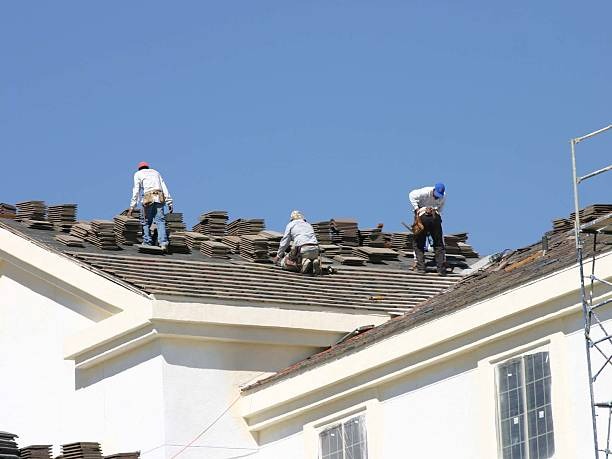
As homeowners, we all know that our house is an investment that needs to be protected. And one of the most critical aspects of our home that requires regular maintenance and care is the roof. The roof serves as a shield against harsh weather conditions, keeping us safe from rain, snow, hail and high winds. However, when your roof starts to fail, it can lead to expensive storm damage if not addressed promptly.
The first sign of a failing roof is often visible leaks or water stains on your ceilings or walls. This usually indicates that water has found its way through your roofing material and into your home. Even small leaks can cause significant harm over time as they can lead to mold growth and structural damage.
In addition to visible leaks inside your house, you should also watch for missing or damaged shingles on the exterior of your home. Shingles are designed to protect your roof from water damage; when they’re compromised or missing altogether, it leaves your roof vulnerable to moisture infiltration which could lead to costly repairs.
Another sign that may indicate potential problems with your roof is sagging areas. A sagging roof could be due either due to aging or structural issues like inadequate support in certain parts of the building’s structure. If left unaddressed this issue may eventually result in a complete collapse of the affected area.
Granules in gutters are another telltale sign that something might be wrong with your roofing system. As asphalt shingles age, they shed their granules which end up in gutters during rainstorms. While some granule loss is normal over time if you notice excessive amounts accumulating in gutters it could mean that shingles are nearing their life expectancy.
Lastly but certainly not leastly – pay attention for signs of rotting wood around eaves or soffits where there’s direct contact between roofing materials and underlying wood structures such as trusses rafters etcetera because these areas tend be read more susceptible to water damage from failing roofs.
In conclusion, regular inspections of your roof can help you spot these signs early before they escalate into major issues. If you notice any of the above signs, it’s advisable to contact a professional roofing contractor for a comprehensive inspection and necessary repairs. By doing so, you can avoid costly storm damage and ensure that your home remains safe and secure for years to come. Remember, prevention is always better than cure when it comes to maintaining your home’s structural integrity.